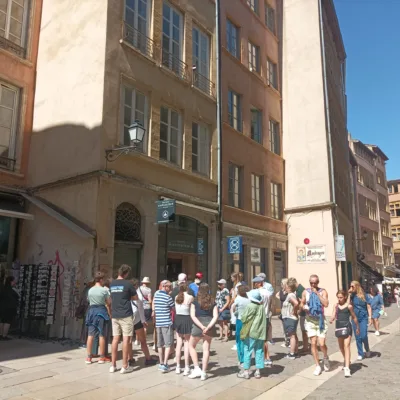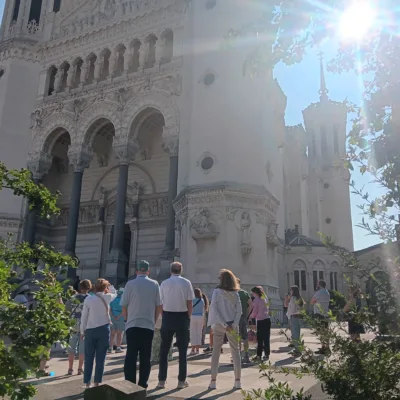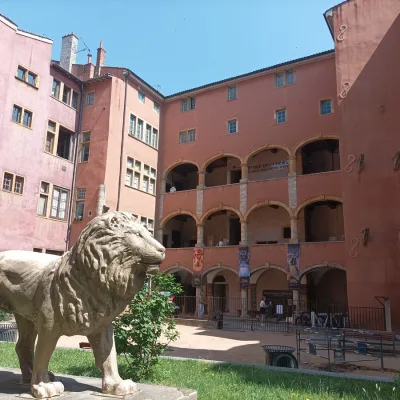
Resmi Tur Rehberinizle Lyon'u ziyaret edin !
giriiş


Lyon, Rhône ve Saône nehirlerinin birleştiği noktada yer almaktadır.. Sakinlerine Lyonnais denir.
Şehir, Lyon'dan Marsilya'ya uzanan Rhône koridorunun kuzeyinde yer alan ülkede coğrafi bir kavşak noktasıdır.. Batıda Merkez Masif ile doğuda Alp masifi arasında konumlanan Lyon, Avrupa'da kuzey-güney taşımacılığı için stratejik bir konuma sahiptir.. Roma İmparatorluğu döneminde Galya'nın eski başkenti olan bu yer, sahibi Galya Başpiskoposu unvanını taşıyan bir başpiskoposluğun koltuğudur.. Lyon, Rönesans döneminde hareketli bir ticaret şehri ve büyük bir finans merkezi haline geldi.. Ekonomik refahı o dönemde ipek üretimi ve daha sonra endüstrilerin ortaya çıkmasıyla sağlandı. : tekstil, kimyasallar, ve son zamanlarda görüntü endüstrisi.
Tarihsel olarak Lyon bir sanayi şehri olmuştur. Aşağı akıştaki Rhône vadisi çok sayıda petrokimya faaliyetine ev sahipliği yapmaktadır. Tekstil endüstrilerinin gerilemesi ve kapanmasının ardından Lyon, yavaş yavaş ilaç ve biyoteknoloji gibi yüksek teknoloji sektörlerine yeniden odaklandı.. Aynı zamanda dört üniversitesi ve birçok prestijli okuluyla Fransa'nın ikinci büyük öğrenci şehridir.. Ayrıca şehir, Roma döneminden 20. yüzyıla kadar uzanan önemli mimari mirası da korumuştur. : Eski Lyon, Fourviere Tepesi, Presqu'île, ve Croix-Rousse'un yamaçları, UNESCO Dünya Mirası listesinde yer alan.


Resmi Tur Rehberinizle Lyon'u ziyaret edin !
İsmin kökeni
Lugdunum antik kenti iki Galya kelimesinden oluşuyor: Pabuç, düzen ve adaletle ilişkilendirilen bir Kelt tanrısı, ve dunos, Anlam “kale” veya “tepe.” Birlikte, onlar demek “Lug kalesi.” Lug, habercisi kuzgun veya karga olan bir Kelt tanrısıdır.. Böylece, Lugdunum şu şekilde tercüme edilebilir: “tanrı Lug'un tepesi” veya “kargaların tepesi.”
Başlangıçta Lugdunum, antik Lyon kentinin kurulduğu Fourvière Tepesi'ne atıfta bulunuyordu..
Aşağı indirin, günümüzün Saint-Vincent bölgesinde Galya'nın Condate köyü bulunuyordu : muhtemelen Saône Nehri kıyılarında yaşayan nehir insanları veya balıkçılardan oluşan basit bir yerleşim yeri. Condate, Confluence mahallesine adını veren, kavşak anlamına gelen Galya dilinde bir kelimedir..
Roma döneminde şehir Galya'nın başkenti olarak adlandırılıyordu.. Bu prestijli unvanın mirası olarak Lyon başpiskoposu hâlâ Galya Başpiskoposu olarak anılıyor..


Resmi Tur Rehberinizle Lyon'u ziyaret edin !
Bölge tarih öncesi çağlardan beri yerleşim yeri olmakla birlikte, ilk Lugdunum şehri M.Ö. 43 yılında kurulmuştur.. Roma İmparatorluğu döneminde Lyon güçlü bir şehir ve Roma Galya'sının başkenti oldu.. Roma İmparatorluğu'nun çöküşü, güç merkezlerine olan uzaklığı nedeniyle Lyon'u Avrupa coğrafyasında ikincil bir role düşürdü.. Daha sonra Karolenj İmparatorluğu'nun bölünmesi sırasında Lyon kendisini bir sınır şehri olarak buldu.. 14. yüzyıla kadar siyasi güç, şehrin özerkliğini şiddetle koruyan başpiskoposun elinde toplanmıştı.. Lyon'un Fransa Krallığı'na kesin entegrasyonuyla aynı zamana denk gelen konsolosluk kurumu, başpiskoposun gücünü dengelemeye ancak 1312-1320'de başladı..
Rönesans döneminde Lyon önemli bir gelişme yaşadı ve Avrupa'nın önemli bir ticaret şehri haline geldi.. Ancak bu ikinci altın çağ, Din Savaşları ile kesintiye uğradı.. Mutlak monarşi altında Lyon, temel zenginliğini ipek endüstrisinden elde eden orta büyüklükte bir Fransız şehri olarak kaldı.. Fransız Devrimi, 1793 yılında Konvansiyona karşı çıkan şehri yerle bir etti.. Lyon askeri olarak yakalandı ve ciddi şekilde bastırıldı, devrimci kargaşadan büyük ölçüde zayıfladı.
Napolyon, Jakar tezgahının gelişimiyle aynı zamana denk gelen ipek endüstrisini destekleyerek Lyon'un toparlanmasına katkıda bulundu.. Bu, Birinci Dünya Savaşı'na kadar süren ekonomik ve endüstriyel patlamanın başlangıcı oldu.. 19. yüzyılda Lyon ipek dokumacılarının şehri olarak biliniyordu ve 1831 ve 1834'te şiddetli işçi ayaklanmalarına tanık oldu.. Belle Époque dönemi, Lyon'un ipek hakimiyetinin sona ermesine ve otomobil ve kimya gibi diğer çeşitli endüstrilerin yükselişine işaret ediyordu.. Belediye yönetimi Üçüncü Cumhuriyet ile yeniden yetkilerine kavuştu ve bir yüzyıllık radikalizme girişti, 1957'de Édouard Herriot ile doruğa ulaşan. İkinci Dünya Savaşı sırasında Serbest Bölge'nin en büyük şehirlerinden biri olan Lyon, direniş ağlarının merkezi haline geldi.. Özellikle Jean Moulin onları Birleşik Direniş Hareketleri altında birleştirdi..
Savaştan sonra Lyon hızla toparlandı ve çok sayıda yerleşim bölgesinin inşasıyla güçlü bir kentsel gelişme yaşadı.. Güçlü endüstriler ve gelişen üçüncül sektörle,şehir kendisini büyük bir Fransız ve Avrupa metropolü olarak kabul ettirdi.